Turkish textile manufacturers by region in Türkiye
Turkish textile manufacturers operate across several connected production regions, not in one national factory district. Istanbul is a fashion and sourcing centre, while clothing production extends through İzmir, Bursa, Ankara and several inland cities.
ArdimexPublished 6 min read
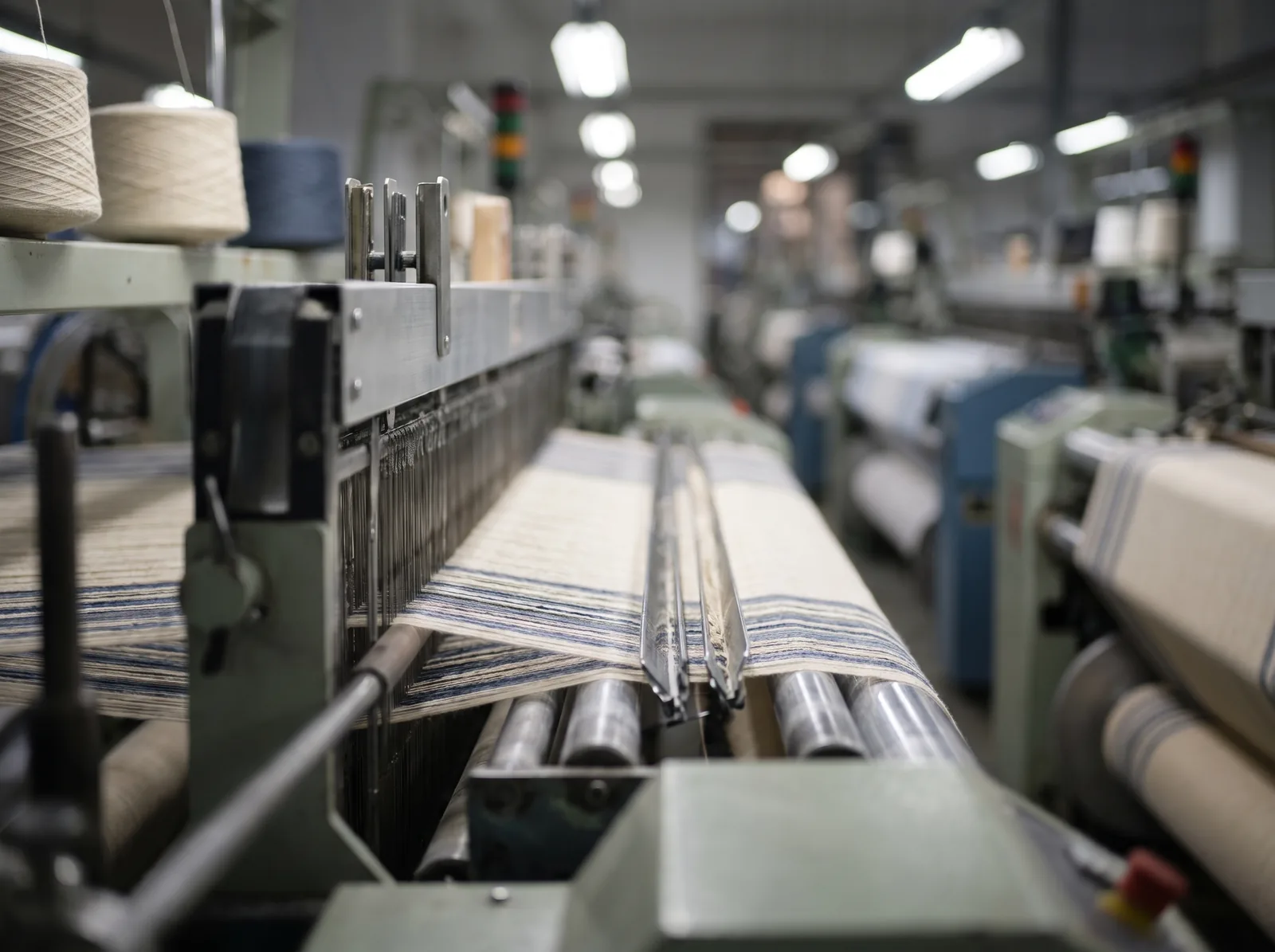
Denizli is closely associated with towels and bathrobes, Bursa with furnishing textiles, and Uşak with blankets. Understanding the textile industry in Turkey means looking beyond city names to which stages each factory handles.
Turkish textile manufacturers work across different production regions
The Ministry of Trade’s Clothing Industry report, based on 2022 data and published in 2024, identifies Istanbul as a fashion and buying hub. It also explains that many clothing companies have moved production to other provinces, including İzmir, Bursa, Ankara, Denizli, Gaziantep, Kayseri, Tekirdağ, Adıyaman, Kahramanmaraş and Adana.
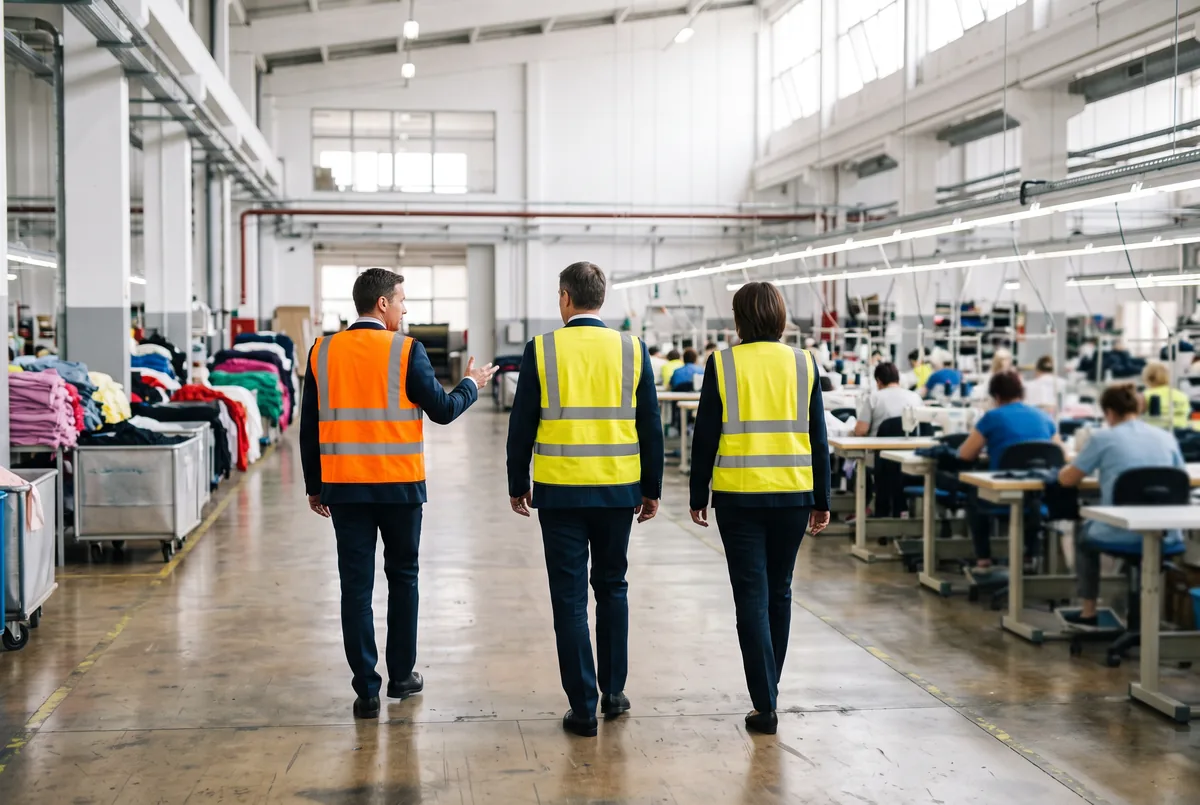
The Ministry’s Home Textiles report, also based on 2022 sector information, identifies particular product concentrations. These are useful starting points for research, not proof that every producer in a city makes the same goods.
| Location | Production or sourcing relevance |
|---|---|
| Istanbul | Fashion businesses, buying offices and clothing accessories |
| Bursa | Curtains, upholstery and decorative fabrics, bedding, towels and bathrobes |
| Denizli | Towels, bathrobes and home textiles |
| Uşak | Blankets |
| İzmir, Ankara and Adana | Textile and clothing production |
| Gaziantep, Kayseri and Tekirdağ | Textile and clothing production, including home-textile businesses in the Ministry’s regional listings |
| Adıyaman and Kahramanmaraş | Textile and clothing production |
The city where Turkish textile manufacturers operate is a useful search filter, not evidence of their suitability. Someone ordering hotel towels has a more useful initial direction in Denizli than in an unsorted national directory, but still needs to establish the capabilities of individual businesses.
The Turkish textile industry connects mills with garment makers and finishers
A textile supply chain can run from yarn production through knitting or weaving, dyeing, finishing, cutting, sewing and packing. The companies responsible for those stages may be part of one integrated business or separate businesses linked by subcontracting.

Turkish textile manufacturers work at different stages: a fabric mill produces fabric; a dyeing or finishing operation treats its appearance and performance; a garment factory cuts and assembles clothing. An integrated manufacturer may handle several stages internally. A cut-make-trim (CMT) unit mainly assembles garments from materials supplied or arranged by the customer, depending on its agreed scope.
A trading house can coordinate orders without owning the production equipment. None of these models is automatically the wrong choice. The distinction matters because it determines who buys materials, controls processes, answers technical questions and carries responsibility for the finished order.
Istanbul’s accessory suppliers form another part of the manufacturing map
Zippers, buttons, labels, interlining, elastic and other trims are part of garment production, even when the main sewing operation is elsewhere. The Ministry of Trade’s Textile and Clothing Supplies report, using 2022 data, places most manufacturers of these supplies in Istanbul, with additional activity in İzmir, Bursa, Denizli, Gaziantep and Kayseri.
For a clothing brand, this makes accessory sourcing a separate question from factory location. Ask who purchases the labels and fasteners, whether they come from the garment maker’s regular suppliers, and who approves substitutions. A factory’s ability to stitch a garment does not establish that it can source every specified component.
Turkish textile manufacturers specialise by product and production stage
The Turkish textile industry produces both clothing and home textiles. The Ministry’s sector reports cover knitted and woven garments alongside towels, bedding, curtains and decorative fabrics, but a producer experienced in one category should not be assumed to specialise in another.
Denizli’s towel and bathrobe cluster is particularly established in the Ministry’s 2022 home-textile profile. The report describes towels and bathrobes manufactured from Aegean cotton; that description should not be extended to every product or producer in the region. Bursa is relevant to both home furnishings and apparel supply chains, while socks are another distinct branch of clothing manufacturing.
Brands developing their own garments need to clarify design ownership, materials and sample requirements. Our guide to private label clothing covers that product-development process separately.
Export figures show the industry’s scale rather than any factory’s capacity
The Istanbul Apparel Exporters’ Association’s 2025 annual apparel export report (İHKİB) records Turkish apparel exports of $17.92 billion in 2024 and $16.77 billion in 2025. The association puts combined textile and apparel exports at approximately $26.2 billion and associated industrial employment at about 860,000 in 2025.
The report also shows substantial knitted clothing, woven clothing and made-up textile exports. These figures establish an active export industry, but they say nothing about the available production slots, pricing or responsiveness of a particular supplier today.
For buyers, the sensible response to a changing export market is to confirm current factory capacity, the processes performed at each site and the actual commercial terms rather than infer them from national statistics.
A useful factory enquiry starts with the product and the production role
When approaching Turkish textile manufacturers, begin with the product you intend to buy, then use the regional map to decide where to search. A clear brief separates relevant Turkish manufacturers from resellers and factories serving a different textile category.
- Specify whether you need finished clothing, greige fabric, dyed fabric, household textiles or accessories.
- State the material, construction, finish, dimensions and intended use that matter to your product.
- Ask which stages take place at the named factory and which are subcontracted.
- Identify who sources yarn, fabric, trims and packaging, and who approves alternatives.
- Request evidence of relevant previous production without treating a catalogue as proof of current capacity.
- Clarify sampling, order quantities, production scheduling and the information needed for a price discussion.
A concise manufacturing RFQ can organise those questions before the first round of contact. If a site visit follows, use a factory visit checklist to separate what you observe from what a supplier tells you.
How Ardimex can help
We research Turkish textile manufacturers from a buyer’s brief, contact them in Turkish and record their replies in a written report. For clothing projects, see our service for finding clothing manufacturers in Turkey; send the product details to contact@ardimex.com to discuss the scope.
Frequently asked questions
Where are most textile factories in Turkey?
Textile and clothing production is spread across Istanbul and multiple regions, including Bursa, Denizli, İzmir and inland provinces. The Ministry’s 2022 sector reports identify important production centres, not a current ranking of factory numbers by city.
What textile products is Turkey known for?
The country’s manufacturing range includes knitted and woven garments, towels, bathrobes, curtains, bedding and decorative fabrics. The relevant city depends on the product and on whether you need fabric production, finishing or finished-goods assembly.
Is Turkey good for clothing manufacturing?
Türkiye has an established apparel industry, with $16.77 billion in apparel exports reported for 2025 by İHKİB. Whether a particular factory is suitable depends on its product experience, manufacturing role, capacity and ability to meet your specifications.
Which city in Turkey is famous for towels?
Denizli is a major towel and bathrobe manufacturing centre, according to the Ministry of Trade’s 2022 home-textile report. Bursa is another important location for these products.
How do I find textile manufacturers in Turkey?
To find Turkish textile manufacturers, start with the product category and the regions associated with it, then identify businesses that perform the production stages you need. Send a specific brief and confirm each company’s factory location, responsibilities and current capabilities before narrowing the shortlist.


